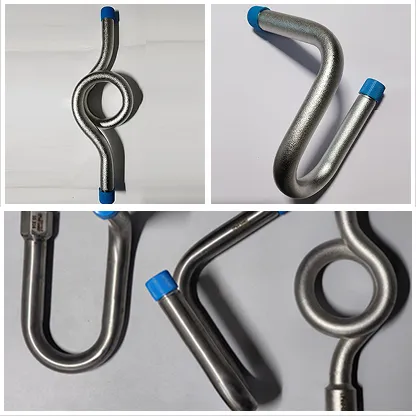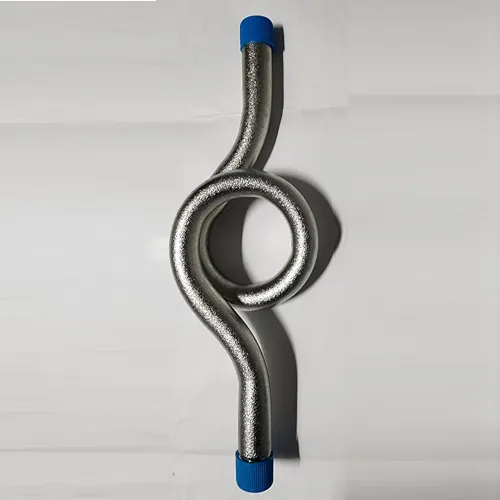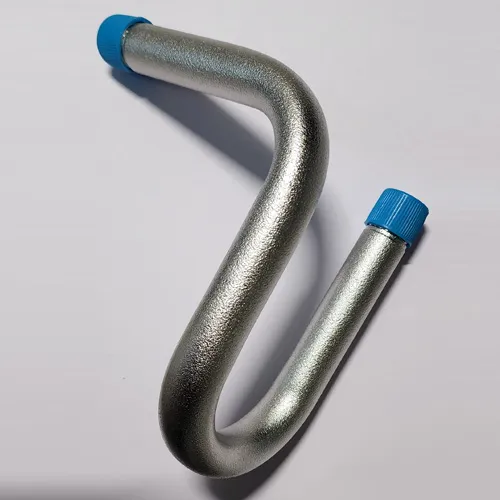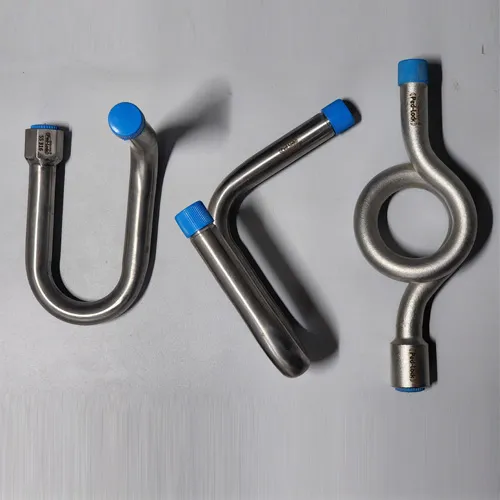

With the technical support of our expert team of professionals, we manufacture and supply an extensive range of Syphon Tube. Our products are extremely demanded in the market for their exceptional features like durability, high efficiency, optimal quality as well zero maintenance. Being highly resourceful, this product is highly admired in the industry. We take into account the miscellaneous needs of diverse industries and offer appropriate range of Syphon Tube. We are the leading Syphon Manufacturer and High Pressure Ball Valves in India. We offer them at affordable rates like our Syphon Cock.

Petrochemical industries
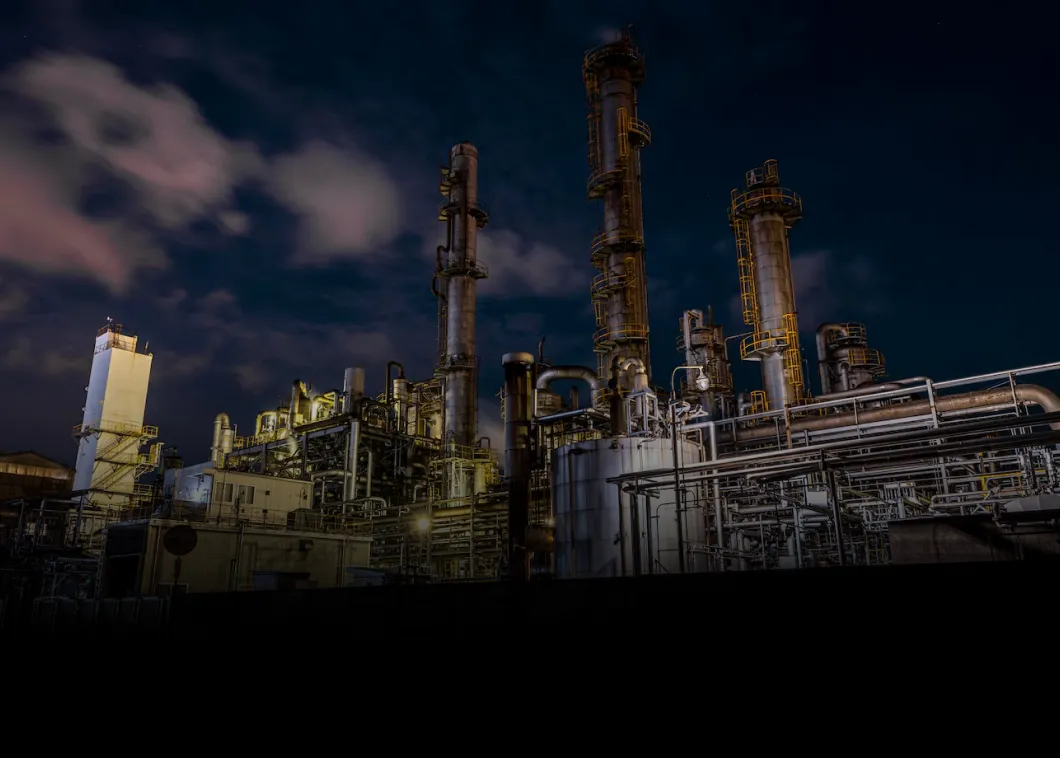
Chemical industries
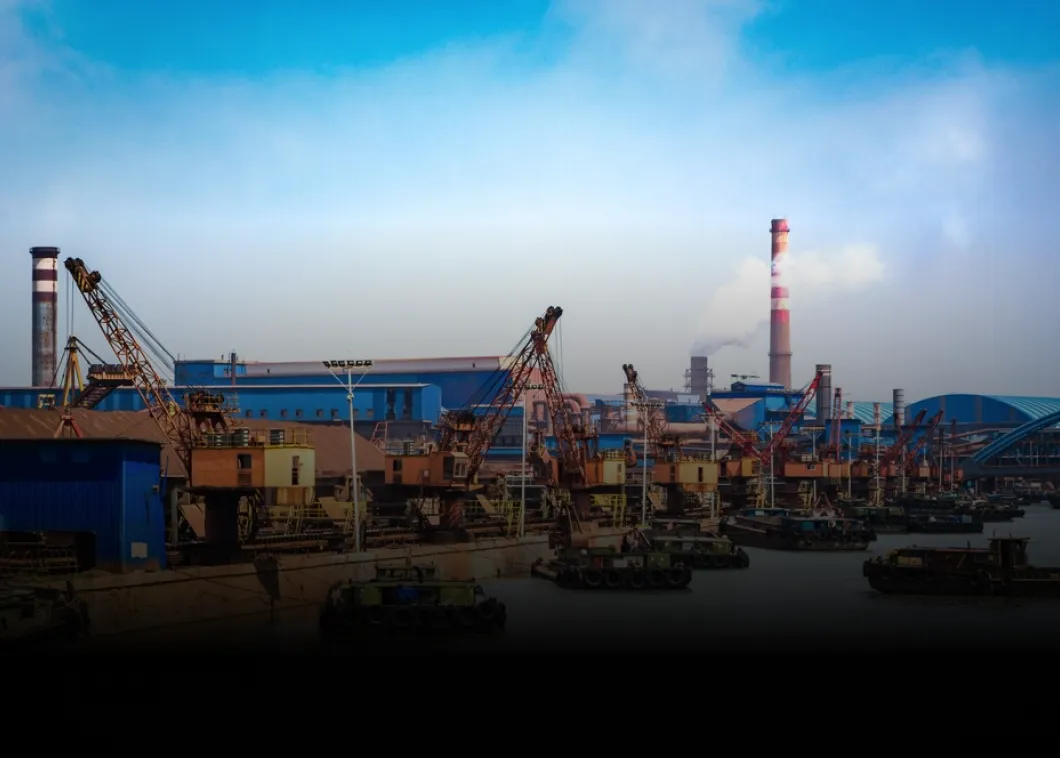
Fertilizer plants
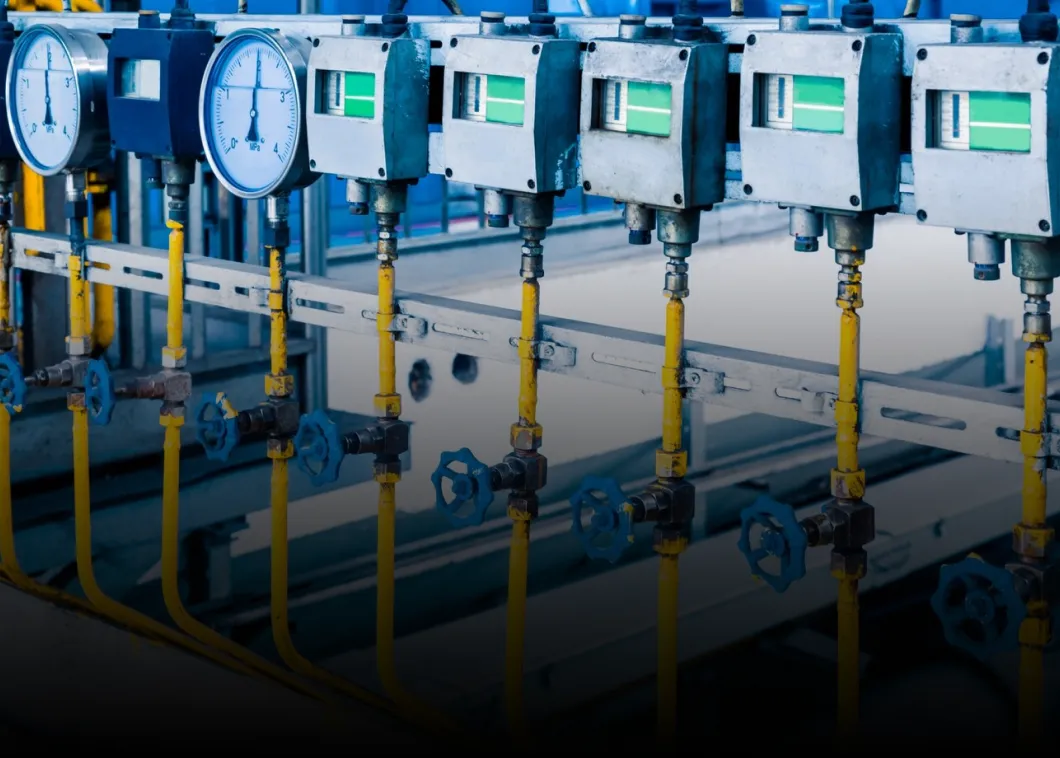
Power plants

Offshore industries
A Syphon Tube is a bent pipe fitting used to protect pressure gauges from high-temperature steam.
It forms a liquid trap that cools incoming steam into condensate before reaching the gauge.
It prevents thermal expansion damage and calibration shift in pressure instruments.
Steam entering the Syphon loop condenses into water due to heat dissipation along the tube length.
The accumulated condensate liquid creates a barrier that prevents hot live steam from contacting the gauge.
System pressure pushes against the cool water column, transmitting pressure accurately.
They are used in steam boilers, process steam lines, power generation plants, and paper mills.
Installed directly between process lines and pressure instruments like gauges or switches.
Types include U-type, Q-type (Pig tail), and coil syphons.
Fabricated from carbon steel or seamless stainless steel (SS304, SS316) pipes.
Available in Schedule 40, Schedule 80, and heavy-wall Schedule 160 ratings.
Connections include NPT, BSP, and socket weld ends.
Protects pressure gauges from extreme steam temperatures.
Simple, passive design requiring no moving parts or external energy.
Extends gauge lifespan and maintains long-term measurement accuracy.
Check periodically for external steam or condensate leaks at threaded joints.
Flush out sediment build-up inside the loop during boiler maintenance shut-downs.
Inspect for pipe wall thinning or thermal stress corrosion.

Request A Quote